Cutting costs in the bad times
Waste is about volumes: the more we consume, the more we generate. In good times, bad habits creep in, costs rise, and inefficiencies multiply. Like electricity and water, waste costs increase with use. Recycling changes that. By reducing volumes, we reduce costs. It may sound trivial, but a closer look at waste removal bills tells another story. Large organizations often spend over R100,000 a month on waste. A 10% cut is noticeable; 30% is significant. Many generate multiples of that figure, making savings substantial.
Cost‑saving drives are already evident. Cutting jobs is sensitive, but cutting waste costs has no political or social downside — only positives. Unsurprisingly, more organizations are requesting recycling services. Once a program begins, the true volume of recyclable material becomes clear. Waste has often been handled one way for so long that no one questions the cost. Black bins are filled daily without checking contents. A fresh look is revealing: packaging dominates waste streams, and much of it is recyclable.
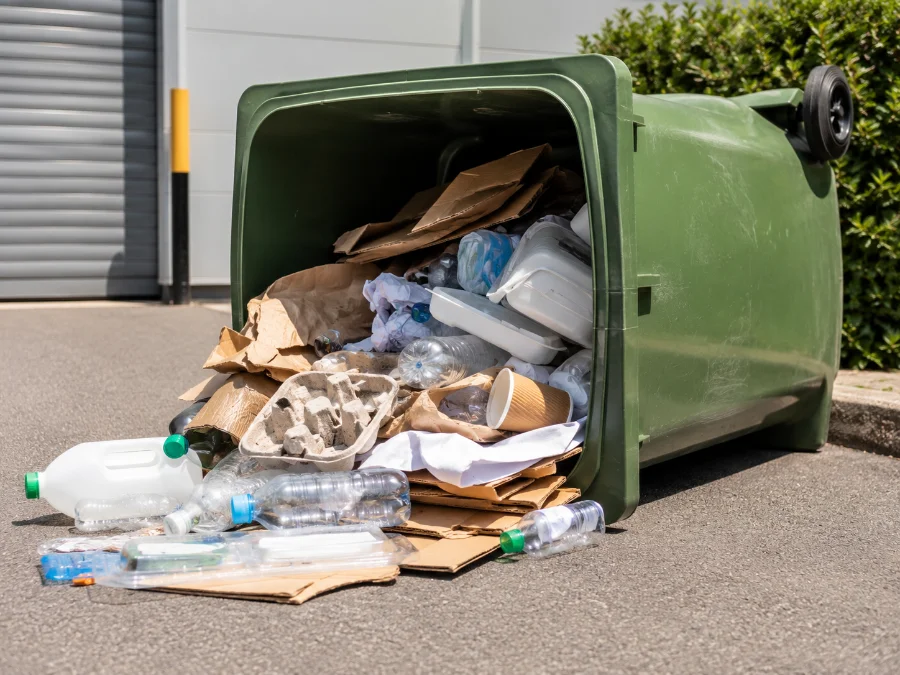
One of our training techniques is to unpack a random wheelie bin in front of staff. Recently, every item inside was recyclable plastic and cardboard — a demonstration that spoke for itself. Most individuals know about recycling, but at work it’s “not our money, not our problem.” Waste is the “dirty toilet” no one wants to face. Yet professionals who step into the receiving yard see recyclables discarded daily.
The principle is simple: reducing waste cuts costs, regardless of organization size. Savings are guaranteed. As a desktop exercise, take your waste bill and calculate the impact of a 10–30% reduction. The results may surprise you.